Traumatic events can cause lasting damage to virtually all aspects of an individual’s life. Making the decision to enter a trauma treatment center demonstrates both courage and hope. Timberline Knolls Residential Treatment Center offers personalized care and comprehensive support for women and girls who are struggling with the effects of trauma.
The Benefits of Trauma Treatment
Directly experiencing, witnessing, or otherwise being exposed to a traumatic event can cause significant distress.
Women and girls who need, but do not receive, professional treatment for trauma may struggle to maintain healthy relationships, make appropriate progress in school or at work, and otherwise fully engage in a productive and satisfying independent lifestyle.
The exact benefits of trauma treatment will vary for each woman or girl depending on their unique circumstances. In general, when a woman or girl gets individualized care at an effective trauma treatment center, they can identify and address the specific ways in which their life has been affected by trauma.
When they work together in close collaboration with a team of trauma treatment professionals, women and girls can process their experiences, develop better coping skills, and learn to manage the impact trauma has had on their lives.
Choosing the Right Trauma Treatment
When you’re struggling with the untreated effects of trauma, it’s important to choose the trauma treatment center that is best prepared to meet your specific needs. Making this decision involves understanding the features and benefits of various levels of care.
Timberline Knolls Residential Treatment Center offers trauma treatment at the residential and partial hospitalization levels.
Our residential programming provides round-the-clock support for adolescent girls ages 12-17 and adult women age 18 and older. Your care will follow an individualized plan that includes multiple forms of evidence-based therapies and services. During your time in our residential trauma treatment program, you will live in one of our comfortable lodges.
Our partial hospitalization program (PHP) offers trauma treatment for adult women age 18 and older. If you receive trauma treatment at the PHP level, you will benefit from full days of services provided by experienced professionals. When treatment is not in session, you may either return home or choose our on-campus housing option.
Adult women can enter our trauma treatment center directly at the PHP level, or they may step down to our PHP after completing our residential program.
Therapies Used to Treat Trauma
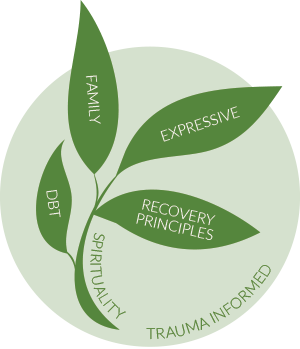
Our trauma treatment center emphasizes person-focused care and evidence-based services. Depending on what’s best for you, your individualized trauma treatment plan may include:
- Medication management services
- Individual and group therapy
- Family therapy and support
- Multiple forms of experiential therapy
The therapies we use to treat trauma may incorporate the principles of several modalities, including:
- Acceptance and commitment therapy (ACT)
- Cognitive behavioral therapy (CBT)
- Dialectical behavior therapy (DBT)
Women and girls who are receiving treatment for trauma and substance use disorders may also benefit from 12-Step education and support throughout their time with us.
Why Choose Our Trauma Treatment Center
Choosing a trauma treatment center is an individual decision that involves close consideration of a variety of factors. The reasons to choose Timberline Knolls Residential Treatment Center include:
- Individualized services: The elements of your treatment plan, the length of time you remain at our trauma treatment center, and all other aspects of your care will be determined by what’s best for you.
- Safe and welcoming environment: At all levels of care, our team works diligently to ensure that our trauma treatment center remains a safe, supportive, and welcoming place for women and girls.
- Specialty treatment tracks: Women and girls who receive trauma treatment services at our center can take part in optional programming that incorporates Christian principles, spirituality, and family support.
- Academic support: Adolescent girls who take part in our residential trauma treatment program also receive educational services at our on-campus school, TK Academy.
- Alumnae network: After you’ve completed your stay at our trauma treatment center, our vibrant, nationwide alumnae network can serve as an ongoing source of inspiration, connection, and support.
The Steps to Enter Our Trauma Treatment Center
Our admissions process is designed to connect women and girls with the care they need via a stress-free series of steps:
- You can call us at any time to get answers to your questions about trauma treatment or to start the admissions process. A member of our team is available to speak with you 24/7.
- We can work directly with your insurance provider to confirm your coverage and verify your benefits.
- Prior to starting treatment, you will complete a thorough assessment. This ensures that our trauma treatment services are right for you, and it enables your team to begin developing your individualized plan.
- When you arrive at our center, you’ll be greeted warmly by a friendly member of our staff. You will receive a tour of our trauma treatment center, meet other team members, and learn about your treatment schedule.
- Once you’re settled in, you can focus your full attention on participating in trauma treatment services and making progress toward improved health.
Every step of the way, you can expect to work with compassionate professionals who will provide you with the answers, services, and support you deserve.
This content was written on behalf of and reviewed and approved by the clinical staff at Timberline Knolls Residential Treatment Center.