Panic attacks are sudden episodes of overwhelming fear that trigger severe physical reactions despite a lack of actual danger. It can feel like you’re losing control or having a heart attack.
A panic attack is the defining characteristic of panic disorder, a condition in which an individual is consistently worried about having additional panic attacks or changes their behavior in an attempt to avoid them.
As the Anxiety and Depression Association of America (ADAA) explains, panic attacks typically reach their peak level of intensity in 10 minutes or less and then begin to subside. But because of the potency of the symptoms, many people with panic disorder often wind up in the emergency room thinking they have a life-threatening concern.
Common Signs & Symptoms of Panic Attacks
Panic attacks generally begin without any warning. Many women or girls have just one or two panic attacks during their lives, often during situations of high stress, and then the problem goes away. But for individuals who have recurrent panic attacks, at least four of the following symptoms often show up with no advanced notice:
- Sweating
- Feeling of choking
- Chest pain or discomfort
- Sense of impending doom
- Fear of losing control or death
- Shortness of breath
- Trembling or shaking
- Abdominal cramping
- Sensations of chilling or heat
- Dizziness
Causes & Risk Factors of Panic Attacks
It’s not clear what causes panic attacks or panic disorder to develop in adolescent girls or adult women. The average age of onset for panic disorder in the United States is 20 to 24 years old, but children and older adults can also struggle with panic attacks.
There is an elevated risk for panic attacks in women or girls whose parents have a history of other mental health disorders. Respiratory disturbance, such as asthma, is also a risk factor for panic disorder.
Certain environmental factors can elevate the risk for panic attacks as well. Childhood sexual or physical abuse, smoking, certain neurotic personality traits, and a temperament that is more prone to stress can be indicators that you’re more likely to experience panic attacks.
Prevalence of Panic Attacks
Approximately two to three percent of Americans experience panic disorder in a given year, and panic attacks are more than twice as common in women and girls than in men and boys.
- An estimated 4.7% of U.S. adults experience panic disorder at some time in their lives, according to the National Institute of Mental Health (NIMH).
- NIMH also puts the past-year prevalence of panic disorder among adults at 3.8% for women as opposed to just 1.6% for men.
- Nearly half of U.S. adults showed a serious degree of impairment for panic disorder (44.8%), compared to 29.5% with moderate impairment and 25.7% with mild impairment.
Why Seek Panic Attack Treatment
If you are worried about when your next panic attack might occur, you may actively avoid places, situations, or behaviors that you associate with panic attacks. That element of panic disorder can lead to agoraphobia, an anxiety disorder in which an individual feels trapped, helpless, or embarrassed by particular settings.
Without receiving professional panic attack treatment, you put yourself at risk for a variety of negative outcomes, including:
- Social isolation
- Physical health problems
- Abuse of alcohol or other drugs
- Financial distress
- Unemployment
- Damaged personal relationships
- Failure in school
- Onset or worsening of co-occurring disorders
- Pervasive sense of hopelessness or helplessness
Panic attacks aren’t just a result of panic disorder. Along with their association with agoraphobia, they can occur in women and girls who struggle with social anxiety disorder or obsessive-compulsive disorder.
Choosing the Right Panic Attack Treatment
By making the decision to pursue panic attack treatment, you’re choosing to get the help you need to stop these overwhelming events from getting worse or becoming more frequent.
It’s important to remember that both the frequency and severity of panic attacks are different for every woman and girl. That means you need to find panic attack treatment that considers your individual needs rather than one that specifically treats symptoms.
At Timberline Knolls Residential Treatment Center, we take a whole-person approach to panic attack treatment. Your experiences with panic attacks and panic disorder are unique to you, which means your recovery journey will also be distinct.
You’ll be part of either our residential panic attack treatment or partial hospitalization program (PHP) during your time in our care.
At the residential level, we treat adult women and adolescent girls who are struggling with panic attacks. You’ll benefit from comprehensive therapeutic programming and round-the clock support while being able to fully focus on your health.
Women who receive treatment for panic attacks in our PHP participate in full days of structured care with the option to return home at night and on the weekends.
The Panic Attack Treatment Experience
As with all of our programming at Timberline Knolls Residential Treatment Center, panic attack treatment consists of evidence-based methods and therapeutic interventions that can help women and girls return to the satisfying lives they once knew.
You’ll have an individualized panic attack treatment plan, but you’ll also participate in some common elements of care in both the residential and PHP levels. These may include:
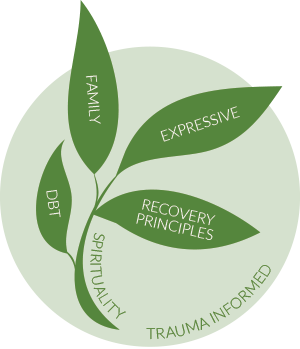
- Dialectical behavior therapy (DBT)
- Acceptance and commitment therapy (ACT)
- Cognitive behavioral therapy (CBT)
- 12-Step recovery principles
- Medication management
- Group therapy
- Experiential therapy
- Family therapy
- Individual therapy
All of your care will come from an expert team of licensed therapists and other mental health specialists. Once you’ve completed panic attack treatment, we’ll provide you with a detailed discharge plan that includes community resources and information about our outstanding alumnae program.
Your panic attack treatment journey is unique, but you are never alone. Timberline Knolls is here to help.
This content was reviewed and approved by the clinical staff at Timberline Knolls Residential Treatment Center.