Eating disorders are complex illnesses that can have a devastating impact on the lives of young girls and women. When women and girls are struggling with eating disorders, they have distorted perceptions of themselves and the way they look, which keeps them trapped in the harmful cycle of disordered eating patterns.
There are many types of feeding and eating disorders, including anorexia nervosa, bulimia nervosa, binge-eating disorder, and avoidant/restrictive food intake disorder. Additionally, there are other types of concerns that impact how a person views herself or that can co-occur with eating disorders, such as body dysmorphic disorder, compulsive overeating, and food addiction.
At Timberline Knolls in Lemont, Illinois, we provide all-inclusive care for women and girls age 12 and older who are struggling with addictions, co-occurring eating disorders, and other mental health concerns. We believe that everyone has the ability to heal, and we are here to support you as you navigate your personal healing journey.
Anorexia Nervosa
Anorexia nervosa is a type of eating disorder that causes individuals to go to extreme measures to prevent weight gain, often resulting in devastating consequences. Women and girls who are suffering from anorexia typically experience an intense fear of gaining weight and develop strict eating behaviors to limit the number of calories they consume.
Common symptoms of anorexia include refusing to eat, lying about eating, weighing food before eating, consistently denying being hungry, and exercising excessively. Women and girls who have anorexia can also have physical symptoms, such as hair loss, yellowing skin, brittle nails, muscular weakness, chronic fatigue, and soft, fine hair covering their bodies.
Bulimia Nervosa
Bulimia nervosa is a type of eating disorder that causes women and girls to struggle with the way they perceive their bodies, ultimately leading them to engage in harmful cycles of bingeing and purging that can cause lasting physical and emotional damage. They often experience overwhelming distress over their fears of gaining weight and go to great lengths to prevent weight gain.
There are a number of symptoms that could indicate that a person is suffering from bulimia, including frequently weighing themselves, refusing to eat at restaurants, consistently trying new diets, keeping large amounts of food around the house, and making frequent trips to the bathroom after eating. Women and girls who have bulimia may also fluctuate between losing and gaining weight. Other symptoms of bulimia include discolored teeth, fainting, dizziness, and brittle hair and nails.
Binge-Eating Disorder
Women and girls who have binge-eating disorder frequently consume large amounts of food and feel as though they are unable to stop eating. They generally feel embarrassed about overeating, but the impulses and urges to continue binge eating keep them trapped in the vicious cycle of bingeing behaviors.
There are various symptoms someone who has binge-eating disorder might display, including eating when not hungry, eating large amounts of food within a short period of time, dieting without losing weight, having a fear of eating in public, and eliminating entire food groups from their diet. Additionally, women and girls who have binge-eating disorder may have trouble focusing, have frequent stomach cramps, suffer from breathing problems, and have noticeable fluctuations in weight, whether up or down.
Avoidant/Restrictive Food Intake Disorder
Avoidant/restrictive food intake disorder (ARFID) is a type of feeding and eating disorder that is characterized by limiting the type and amount of food a person eats to the extent that it becomes detrimental to their health. Women and girls who have ARFID tend to avoid food because they have unrealistic fears that they will experience negative consequences from eating (such as choking or vomiting); they have certain sensory aversions to various foods because of their taste, smell, texture, or color; or they have a general lack of interest in eating at all.
Some people view ARFID as just being a sign that someone is a picky eater. However, someone being selective about the type of food they eat is not the same as having ARFID. A person might be diagnosed with avoidant/restrictive food intake disorder if they have significant nutritional deficiencies, need a feeding tube, have to take nutritional supplements, and have impaired psychosocial functioning. Another sign of ARFID can be when women and girls experience significant weight loss or, in adolescents, do not achieve the expected weight gain for their age and height.
It’s important to note that the development of ARFID isn’t the result of having a distorted view of one’s physical appearance or a desire to lose weight.
Body Dysmorphic Disorder
While body dysmorphic disorder is not clinically categorized as a feeding and eating disorder, women and girls who struggle with eating disorders often also struggle with body dysmorphic disorder or some symptoms of the disorder. Body dysmorphic disorder is a condition that causes people to have extremely distorted views of how they look. It can be debilitating because women and girls who are suffering from this disorder tend to worry so much about their appearance that it interferes with their daily lives.
Women and girls who have body dysmorphic disorder frequently compare themselves with how others look; excessively pluck, brush, or shave hair; continually reapply makeup; constantly pick at their skin; and regularly seek cosmetic procedures. Additionally, suffering from this disorder can cause people to spend an hour or more a day focusing on their appearance or perceived flaws, perform repetitive behaviors to alleviate concerns they have about their appearance, and experience overwhelming feelings of self-loathing and disgust.
Compulsive Overeating
Compulsive overeating involves feeling overwhelming urges to eat, even when you’re not hungry or when you’re already full. Women and girls who struggle with compulsive overeating may feel like they have lost the ability to control how quickly or how much they eat. Some people start compulsively overeating as a way to soothe themselves when they are struggling with unpleasant emotions, but instead of helping, compulsive overeating can quickly become a source of increased emotional distress.
There are a number of signs that might demonstrate that a woman or girl is struggling with compulsive overeating. Examples of compulsive overeating signs and symptoms include eating when not hungry, eating very quickly, being unable to stop or slow down while eating, and using food to cope with stress or pressure. Compulsive overeating can be similar to episodes of binge-eating disorder and bulimia; however, a woman or girl can struggle with compulsive overeating without having either of these disorders.
Food Addiction
Food addiction is not a clinical diagnosis, but there are some women and girls who struggle to control their cravings for certain types of food, particularly those that are salty or sweet. But sometimes, the desire for something satisfying goes beyond simply wanting to eat a favorite food and becomes an actual addiction.
Food addiction works like an addiction to alcohol or drugs in which the brain becomes chemically dependent on the substance to function. It’s a chronic, progressive disease in which a woman or girl compulsively seeks out the food she’s addicted to and then has difficulty controlling her urges to eat despite experiencing negative consequences.
It can be difficult to differentiate the symptoms of a food addiction from what a person might typically eat, but there are some warning signs. These might include eating to the point of feeling ill, eating in isolation, and spending a significant amount of money on specific types of food. Women and girls who are struggling with food addictions might feel restless or irritable if they don’t have the food they crave, avoid social interactions, struggle with insomnia, have difficulty concentrating, and suffer from digestive disorders.
Effects of Eating Disorders
The impact of eating disorders can be extreme and, tragically, sometimes fatal. The effects that will impact a woman or girl, as well as the time frame in which they develop, may differ depending on genetics, the length of time she has been struggling with eating disorder symptoms, and whether she has received medical care or mental health treatment at any point.
Depending on the type of eating disorder a woman or girl is suffering from, the effects she may experience will vary. Some can be consistent across all eating disorders and related concerns, while some of the physical effects will be based on the specific type of disorder a woman or girl has.
People who have anorexia may suffer from the following effects:
- Damage to organs
- Infertility
- Osteoporosis
- Damage to the digestive system
- Kidney failure
- Menstrual problems or infertility
Examples of the types of effects someone who has bulimia may experience include:
- Heart problems
- Dental issues
- Ruptured stomach
- Inflamed esophagus
- Kidney failure
Women and girls who have binge-eating disorder can experience effects such as:
- Diabetes
- Joint problems
- Cardiovascular concerns
- Gastrointestinal problems
Examples of the effects of avoidant/restrictive food intake disorder include:
- Significant weight loss
- Low body temperature
- Constipation
- Having no appetite
Compulsive overeating has the potential to lead to the following effects:
- High cholesterol
- Type 2 diabetes
- High blood pressure
- Heart disease
- Sleep apnea
Many effects of eating disorders, as well as body dysmorphic disorder and food addictions, can be similar. A woman or girl who is struggling with any type of eating disorder or related concern can experience effects such as:
- Failing academically or struggling to keep a job
- Loss of ability to function in daily life
- Diminished relationships with family and friends
- Inability to be intimate with partners
- Social withdrawal or isolation
- Suicidal ideation
- Self-harm
Co-Occurring Eating Disorder Treatment at Our Lemont Hospital
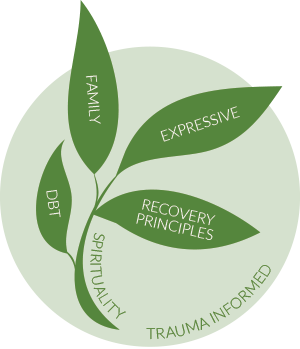
At Timberline Knolls, we recognize how important it is to provide comprehensive care for women and girls who are suffering from co-occurring eating disorders. We use a combination of evidence-based treatment methods and interventions to help women and girls achieve recovery from co-occurring eating disorders.
The therapies and treatment modalities we use at our co-occurring eating disorder treatment center can help you get to the root of the struggles you are facing and allow you to gain new coping skills, which you can lean on when you encounter things that trigger troubling emotions and negative behaviors.
Even though we individualize everyone’s co-occurring eating disorder treatment plan, there are some elements of care that are common for everyone who seeks co-occurring eating disorder treatment at our Lemont, Illinois, treatment center. Examples include:
- Group therapy
- Experiential therapies
- Individual therapy
- Family therapy
- Meal support
- Alumnae services
- Detailed discharge planning
Our expert team will work closely with you to determine the interventions that will be most beneficial for you, and they will continually make any necessary updates to your co-occurring eating disorder treatment plan based on the progress you make while in the program.
To ensure that you are prepared to continue on your recovery journey once you leave our co-occurring eating disorder treatment center, we will create a thorough discharge plan that includes valuable information and services to promote long-term healing. This may include a referral to a lower level of care, community-based resources, and eating disorder support groups in your area.
Learn More About Co-Occurring Eating Disorder Treatment in Illinois
If you have any questions about the services and programs we offer at our co-occurring eating disorder treatment center in Lemont, Illinois, please don’t hesitate to contact us today. Our team is available to help you get started on your journey to healing.
This content was reviewed and approved by the clinical staff at Timberline Knolls.