Home > Drug Addiction

Drug Addiction Treatment

A holistic, medically informed approach to addiction treatment sets Timberline Knolls apart from other residential treatment centers and drug rehab centers.

Our chemical dependency treatment team consistently helps women make real-life changes that are recognized by the leaders in outpatient addiction treatment who trust us to care for their patients.

Timberline Knolls Residential Treatment Center is a leader in recovery for women ages 12 and up who abuse or have developed dependency on one or more chemical substances:

Compassionate Treatment for Substance Abuse and Drug Addiction


Timberline Knolls' treatment philosophy integrates medical excellence with attention to the realities of recovery by helping women to strengthen five core aspects of the self:
  • Physical
  • Mental
  • Emotional
  • Spiritual
  • Social
Our integrated team of psychiatrists, internal medicine physicians, nurses and therapists are not only experts in substance abuse and drug addiction treatment, they also possess extensive expertise treating other psychiatric, psychological and medical conditions that contribute to dependence on drugs. We assess each woman's entire history of substance abuse, as well as symptoms of pain, anxiety and depression. Assessment may uncover related addictions, such as prescription drug dependence or eating disorders that may have originated prior to her drug abuse, or from her efforts to conceal chemical dependency and manage its symptoms.

The Timberline Knolls addiction and substance abuse treatment team also digs deeper than many drug rehab centers into the underlying causes and conditions of the entire addictive disease process. As a result, they often identify co-occurring psychiatric conditions. If unaddressed or under-addressed, co-occurring disorders frequently lie at the root of repeated relapses.

Women who come to Timberline Knolls for residential drug abuse or addiction treatment receive much more than education about their disease and instruction about the process of recovery. We also promise to provide them with:
  • compassion, understanding and practical recovery coaching from staff that recognizes the crucial step they have taken by seeking treatment at a residential treatment center
  • input into the objectives of treatment and ownership of their recovery process
  • encouragement in the process of spiritual renewal and self-awareness
  • emotional support to develop awareness of how addiction has impacted their lives and relationships with loved ones
  • continuous attention to their health and to any complications from long-term substance abuse
  • support in working to heal relationships with family through weekly family systems therapy
We don't have a substance abuse track.

Timberline Knolls treatment professionals craft individualized treatment plans for each woman. This rigorous, medically-informed approach to treatment and recovery succeeds where other drug rehab programs may have failed. It helps women and their families regain hope for a bright future by teaching them how to tap into their strength and how to experience their emotions in healthy, adaptive ways. This enables residents to break free of the toxic shame that may result from relapses after attending past drug rehab centers.

Like persons in recovery from eating disorders and other addictive disorders, a woman suffering from chemical dependency can realize the full beauty of a life unencumbered by her disease.

What Makes Our Drug Addiction Treatment Plans Successful?


The most successful approaches to substance abuse treatment and recovery consider all available information about a resident, and leverage the experience of our entire staff to customize each woman's treatment program.

This collaborative approach is one of the distinguishing elements of drug addiction treatment at a leading rehab center like Timberline Knolls Residential Treatment Center. It's also one of the reasons why so many leading outpatient drug abuse and addiction specialists refer to us their patients who need more intensive treatment, or who have struggled to sustain recovery in an outpatient setting.
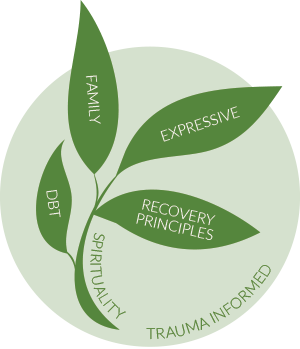
Before Admission

Planning for a woman's treatment needs begins early on in our admissions review process. We ask both the woman and her family to provide information about her substance abuse symptoms, challenges in work or school, and issues with friends or family. We also request her permission to communicate with previous drug addiction treatment providers to gather additional information about medical history, psychiatric history, past substance abuse treatment progress, and stumbling blocks to achieving or maintaining recovery from dependence on drugs.

Thorough Assessment

Upon admissions, every resident undergoes a comprehensive medical and psychiatric assessment. She is then assigned a substance abuse treatment team with several key members whom she will meet individually after she settles in on campus:
  • Primary therapist
  • Family therapist
  • Psychiatrist (MD)
  • Internal medicine physician (MD)
  • Addiction specialist
  • Registered dietician (RD)
Each treatment team member provides an assessment within the woman's first days at Timberline Knolls. The findings are integrated and reviewed with our entire clinical staff, including other therapists and psychiatrists. As a result, our full knowledge about successful drug abuse and addiction treatment is integrated into each woman's treatment plan.

Taking Ownership of Treatment

We believe it is critical for each resident to take ownership of her treatment and recovery from the outset. Once her addiction treatment plan is formulated, our team's recommendations are shared with the woman in her first care conference, which will include her primary therapist, family therapist, psychiatrist, discharge planner, nursing staff and lodge staff. This cooperative approach gives her input into the goals for her treatment and allows her to choose several elective elements of her program. She will be asked to sign off on her treatment objectives and the progression of her treatment plan for drug abuse or addiction, and any co-occurring disorders. This conference also sets stage for ongoing collaboration between the woman and her treatment team throughout her stay in residential treatment.

Looking Forward to Recovery

Following the initial care conference, the treatment team will meet weekly throughout the resident's stay. Members also consult each other informally as often as needed to monitor her progress and to make sure her recovery needs are being fully supported. If new symptoms appear, a woman may undergo additional psychological testing or medical evaluation to ensure her drug abuse treatment considers all relevant aspects of her health.

Additionally, women with other medical symptoms or complications from drug abuse or addiction may be referred to consulting healthcare providers such as a neurologist, orthopedic surgeon, cardiologist, gynecologist, dentist, or gastroenterologist.

Call Timberline Knolls today at (877) 257-9612. Our experienced admissions team can help you determine whether residential treatment for substance abuse and drug addiction might help you or a woman you love find and sustain life-long recovery. Timberline Knolls Residential Treatment Center welcomes girls and women (ages 12 and up) for admission seven days a week.

What Will You Experience At Our Drug Treatment Center?


A woman's experience at Timberline Knolls Residential Treatment Center may differ dramatically from other drug rehab centers or substance abuse treatment programs she has attended in the past. That is by design.

Comprehensive, Integrated Addiction Treatment and Recovery

There is no cure for substance abuse and drug addiction.

Every woman recovering from addiction must develop tools she can trust to live successfully in recovery when she experiences feelings that trigger thoughts of returning to drug abuse. We work with our residents help them learn to recognize emotional changes and identify the conscious choices they are making throughout their day.

Our caring staff provides ongoing compassion and understanding as women learn to use new tools in situations where they would have previously turned to drugs. As they gain confidence in their ability to make positive, healthy choices, women experience improved self-esteem and body acceptance, reduced stress and anxiety, healing of trauma, and increased self-awareness.

Comprehensive and individualized drug abuse and addiction treatment plans use approaches proven to help residents learn to constructively experience their emotions and develop the tools to recover from substance abuse. Specific examples include:
  • one-on-one therapy sessions
  • expressive and experiential therapy
  • education about disease processes and recovery
  • meal support and regular consultation with dietary staff
  • group sessions to teach and practice behavior modification and emotion management
  • family therapy (including family participation
  • twelve-step facilitation
  • onsite and offsite twelve-step meetings
  • weekly psychiatric consultation
  • trauma awareness and recovery
  • educational services for school-age women

Expressive Therapy Provides a Productive Outlet for Complex Emotions

Expressive therapy has been clinically proven to promote healing and recovery, in addition to providing a needed creative outlet for women during addiction treatment and beyond. Our expressive therapy program includes a variety of outlets a woman can select based on her personal interests:
  • art therapy in a historical art studio that supports painting, sculpture and other media
  • equine assisted psychotherapy
  • dance/movement therapy
  • empowerment group (experiential trauma recovery)
  • self-defense in our on-site fitness facility
  • outdoor recreation such as volleyball, basketball, soccer, badminton or gardening on our 43 acre campus

How Do We Support Women Through Detoxification and Withdrawal?

Effective addiction treatment must address more than just the causes of the drug dependency. Treatment must also address the medical challenges a woman will face as she attempts to curtail long-term abuse of drugs and other chemical substances. Her safety is our first priority. Depending on the length of time she's been abusing drugs, the presence of other addictive disorders, and the state of her physical health, she may require medically managed detoxification.

Internal medicine staff and psychiatrists have extensive experience helping women through drug withdrawal symptoms with comfort and dignity. One of the unique features that make Timberline Knolls a leading residential treatment center is that we provide 24-hour nursing care. A resident facing withdrawal, as well as her loved ones, can be assured that her safety will be closely monitored and that staff will be attentive to the need to address her pain or complications from other health conditions.

An invaluable component of the detoxification process at Timberline Knolls is the continuous emotional support that our entire staff provides. We recognize the magnitude of the important step each woman takes by committing to treatment and recovery.

Substance abuse and drug addiction are serious medical conditions that require treatment from chemical dependency specialists. Abruptly stopping one's use of drugs without proper supervision can trigger serious medical complications, including death. Detox from drug addiction should not be attempted at home or without direction from a medical doctor. If you or your loved one are concerned you may be experiencing drug withdrawal symptoms, call 911 for emergency assistance.

How Do We Treat Co-Occurring Disorders With Drug Abuse and Addiction?


When treating women and girls for chemical dependency, our specialized treatment team at Timberline Knolls Residential Treatment Center never assumes they are treating an isolated disease. Frequently, long-term abuse of drugs and other drugs progresses from attempts by a woman to:
  • Reduce feelings of anxiety or depression worsened by underlying psychiatric conditions that we refer to as co-occurring disorders
  • Manage pain or other symptoms from acute injuries or chronic medical conditions
  • Soothe intense emotions related to unresolved, traumatic experiences in her past
Co-occurring disorders describe a situation where drug abuse or drug addiction exists along with at least one other psychiatric illness that is active and negatively impacts the recovery process. Co-occurring disorders, also referred to as "dual diagnosis" conditions, are a widely recognized factor among substance abusers. However, many medical and behavioral health professionals, who are primarily concerned with addressing the chemical dependency, do not always treat these complex conditions appropriately. Medical researchers have found that a large percentage of those who have an addiction to drugs also have at least one other mental illness and/or personality disorder. Women with a co-occurring disorder or dual diagnosis tend to have more severe symptoms of each illness and higher potential for relapse.

Examples of conditions that can co-exist with substance abuse and addiction are:
  • depression
  • bipolar disorder
  • eating disorders
  • panic and anxiety disorders
  • post-traumatic stress disorder (PTSD)
  • obsessive compulsive disorder (OCD)
  • personality disorders
  • schizophrenia
  • various phobias and compulsions
For a person with a dual diagnosis or co-occurring disorders, an attempt to address the addiction in isolation is at best incomplete. In some cases, it can worsen her long-term prognosis for recovery. To facilitate life-long recovery, substance abuse treatment providers must have an in-depth understanding of each disease and the complex interactions between them all.

The Timberline Knolls admissions team is here to help you. Call us today at (877) 257-9612. One of our licensed admissions counselors can help you learn more about residential substance abuse and drug addiction treatment and recovery. We accept women (ages 12 and up) for admission seven days a week.

What Are The Definitions Of Drug Abuse And Drug Addiction?


Drug abuse and drug addiction describe medical diseases where a person is compelled to repeatedly use chemical substances that produce physical and psychological changes. Depending on genetic, biological and environmental factors, substance abuse may progress to drug addiction or chemical dependency, which can be fatal if left untreated. This progression may happen over a period of years, or alternately very quickly, particularly in the case of illicit drugs.

Substance abuse and addiction are not moral or personal failings; they are serious, chronic medical conditions that should be treated with the same urgency as cancer or diabetes. The side effects can be just as deadly.

Substance abuse describes a pattern of chemical use that results in impairment or side effects in several areas of a woman's life. Signs of substance abuse progression may include:
  • Repeated use of substances in situations where impairment is physically dangerous to the users and/or others
  • Important personal or professional responsibilities are regularly compromised by drug use
  • Legal or financial consequences from behavior during a period of impairment
  • Persistent substance use despite awareness of its negative impact on personal relationships

Substance Abuse vs. Addiction or Dependency

Several symptoms can indicate that long-term substance abuse has progressed to more medically serious drug addiction or chemical dependency. These include:
  • Withdrawal symptoms following use, which vary depending on the substance
  • Repeat or continuous consumption of the drug in order to avoid withdrawal symptoms
  • Diminished effect as one consumes a constant amount of the same chemical
  • Compulsion to consume larger amounts of the substance to achieve the same effect
  • Loss of awareness the amount of time spent using or obtaining drugs
  • Repeated unsuccessful efforts to curtail substance use, which may exacerbate feelings of hopelessness
  • Diversion of time away from other important activities to obtain the substance or recover from side effects
  • Persistent use despite awareness of medical or psychological side effects that are caused or worsened by drug use

What Are My Options For Drug Abuse and Addiction Treatment?


Recovery from substance abuse and drug addiction is possible, despite the complex emotional challenges these diseases present for sufferers and their loved ones.

There are a variety of drug abuse treatment options depending on a woman's symptoms and the presence of medical complications or co-occurring disorders.

Despite the desire of many patients and their loved ones to seek the most intensive treatment option available, it's important to choose the level of care most appropriate to the patient's drug abuse or addiction symptoms. Many healthcare providers lack a detailed understanding of substance abuse, particularly if the disease is accompanied by co-occurring psychiatric or addictive disorders. It's critical for patients and their loved ones to do their own research and seek out a professional who focuses all or a large part of her practice on chemical dependency.

Before admitting a woman to Timberline Knolls, our admissions team works closely with her and her loved ones to assess whether a lower level of care might meet her needs. Below are the primary options for those seeking substance abuse or dependency treatment:

Psychotherapy

Individual and/or group psychotherapy sessions help many women suffering with substance abuse to better understand their disease process and alleviate their symptoms. A certified addictions counselor (CADC), psychologist, therapist, social worker, psychiatrist, or eating disorder specialist may conduct individual and group therapy for substance abuse and addiction.

Family counseling

Substance abuse and drug addiction not only affects the sufferer, but also affects her entire family system. Family therapy may help the family to recover themselves from the devastating effects of living with addiction. Family members learn how to take care of themselves and also how best to support their loved one in her recovery.

Mutual support groups

Unlike therapeutic groups run by clinical professionals, peer-led support groups can help substance abusers learn to verbalize feelings and to live free from using alcohol and drugs. Peers give each other encouragement as they share their unique stories in a non-judgmental setting, which can reduce the shame associated with addictive diseases. 12 step groups are a type of mutual support group that offer a solution to the problem of addiction and a tremendous amount of continuous peer support for those who desire to stop using substances.

Prescription medication

Research studies have found that certain women suffering with drug abuse or dependence, and co-occurring disorders, can achieve some benefit from prescription medication. Prescription medication is not a substitute for other therapeutic support in overcoming chemical dependency. However, when prescribed and managed by an addiction medicine specialist, prescription medication can mitigate symptoms of other co-occurring psychiatric disorders. Relief from these symptoms may make it more comfortable for a woman to participate in addiction treatment and to take ownership of her recovery.

Outpatient treatment programs

Some hospitals and independent organizations offer structured programs that provide outpatient treatment for drug addiction. For persons who are capable of experiencing their emotions and maintaining abstinence at home, these programs can be a viable alternative to inpatient hospitalization or residential substance abuse treatment.

Residential treatment

For women with more advance substance abuse or drug addiction, residential treatment offers the opportunity to step back from the triggers and stresses of daily life to focus on healing and recovery. Residential treatment centers for drug abuse provide 24-hour medical and clinical support in a fully-integrated therapeutic environment that can accelerate the early recovery process. Residential treatment centers are typically recommended for women who have struggled or relapsed in outpatient treatment. Residential treatment centers for addiction or chemical dependency may make particular sense for persons who also suffer with multiple addictions and/or co-occurring psychiatric disorders.

Inpatient hospitalization

Women with advanced addictions that result in serious health complications may require inpatient hospitalization to stabilize medical symptoms and allow active participation in treatment. Hospitalization may also be required if a woman experiences an overdose or an adverse interaction with prescription drugs or other substances. Hospital stays may last anywhere from a few hours to several weeks, and patients are usually discharged to a residential addiction treatment center or to an intensive outpatient program.

Call us today at 877.257.9612.

We can help you determine whether all-female residential treatment for drug abuse and chemical dependency might help you or a woman you love find and sustain life-long recovery.

Timberline Knolls Residential Treatment Center accepts women, and girls (ages 12 and up) for admission seven days a week.

Photo Gallery

TESTIMONIAL